Plenary Speakers
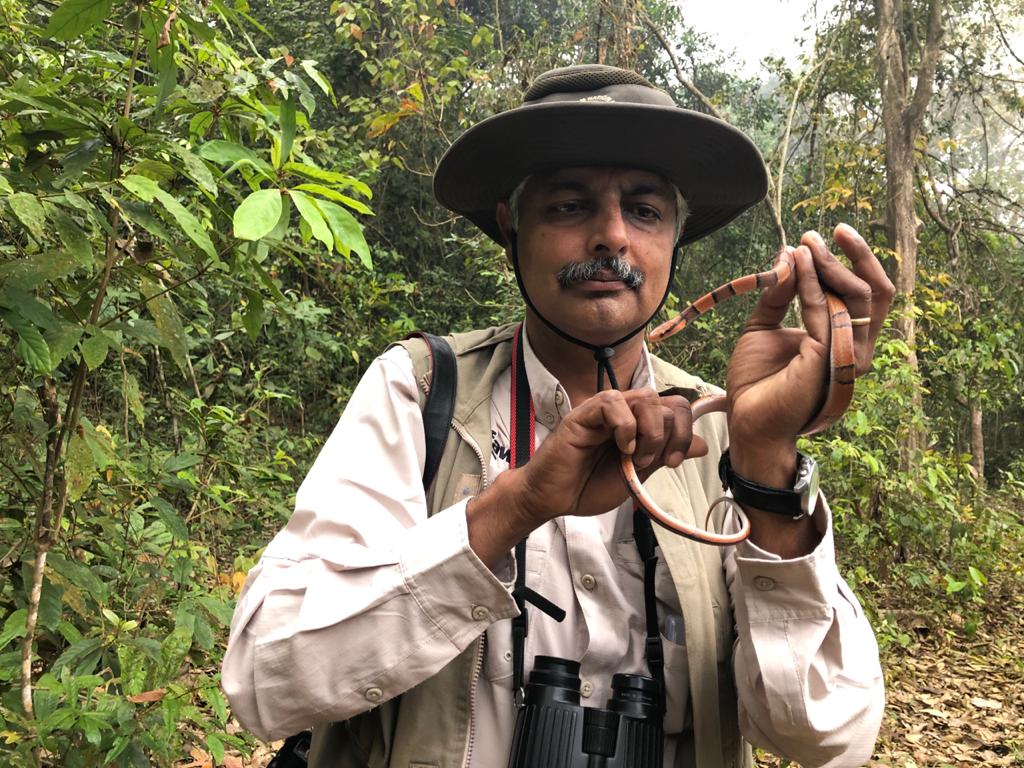
Vivek Menon
" SSC and how the snakes fit in to the overall thrust area "
Vivek Menon is an Indian wildlife conservationist, environmental commentator, author, and photographer with a passion for elephants and birds. He is the Founder and Executive Director of the Wildlife Trust of India. Menon is the author or editor of ten wildlife books including the bestselling Indian Mammals- A Field Guide, scores of technical reports and more than 250 articles in various scientific and popular publications. In India, he plays a role in advising the government on natural heritage conservation as a part of several national committees as well as having been part of the Indian delegations to CITES, UNESCO and CMS. Internationally, Menon is the current Chair of the IUCN Species Survival Commission and Councilor of the IUCN (International Union for Conservation Nature). He is also the Chairperson of the Amphibian Survival Alliance Global.
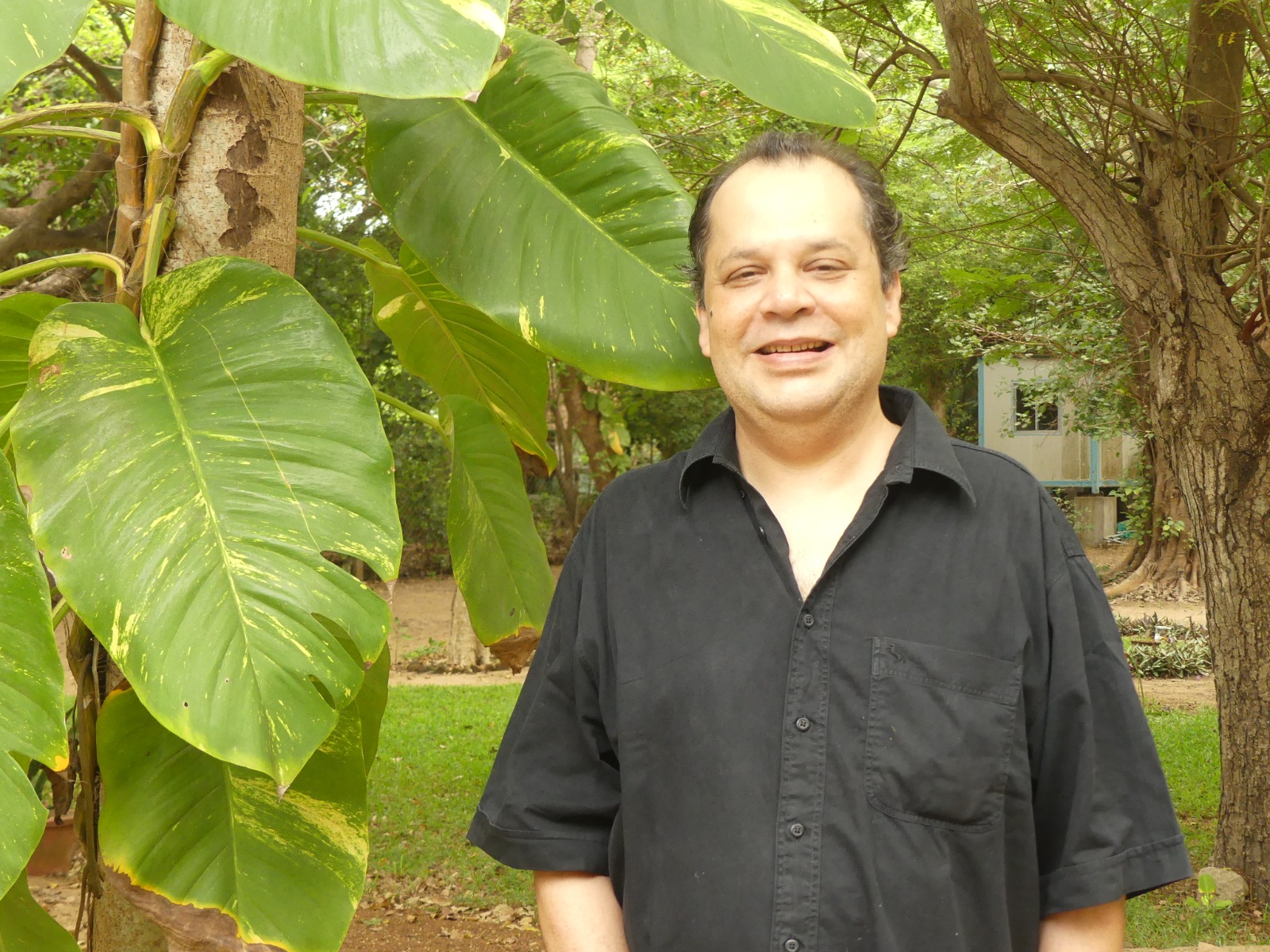
Nikhil Whitaker
" Guardians on the ground: integrating community, conservation and snake bite mitigation"
Whitaker will describe how partnering with indigenous communities and developing venom harvesting programmes both conserves snakes and reduces human snake conflict. This talk would frame snakebite prevention as an indicator of social and environmental health and emphasise the importance of local guardianship.
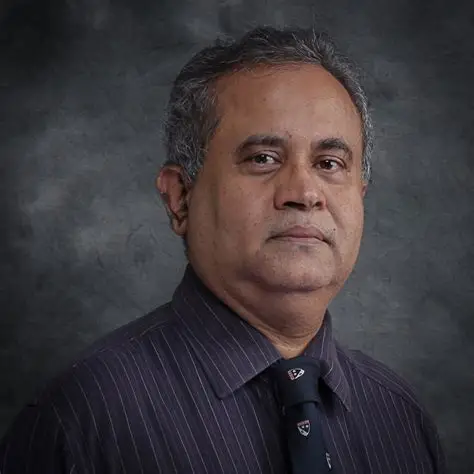
Indraneil Das
" Rare serpents as sentinels of changing rainforests: lessons from tropical Asia"
Indraneil Das is a conservation biologist and herpetologist at Universiti Malaysia Sarawak. Das will discuss how the rediscovery of elusive reptiles and amphibians reveals subtle changes in rainforest ecosystems, showing how these "sentinel species" signal habitat disturbance and climate‑driven change. He can draw on his experience in systematic surveys and conservation to illustrate how protecting rare snakes benefits broader ecosystem health.
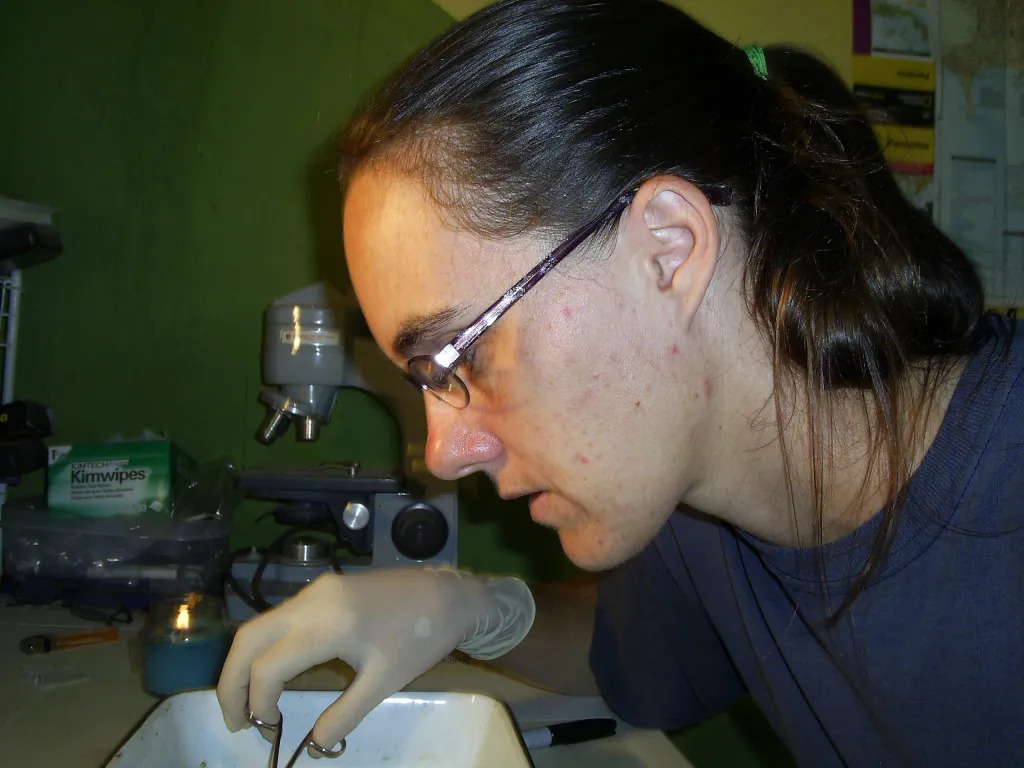
Julie Ray
" Hinged on Local Understanding and Acceptance: Snake Conservation Throughout the New World"
Julie Ray, Ph.D., has studied herpetology, focusing on snakes, throughout the New World for over three decades. She has worked extensively with local people at each location to educate and promote conservation of species often feared and loathed. Julie’s research aided in the delisting of the Lake Erie Watersnake and her documentation of the collapse of the snake community linked to the loss of amphibians to Chytridiomycosis has served as a model in understanding upper tropic level effects in the Neotropics. She has done all of this while being legally blind/visually impaired, further emphasizing her dedication to conservation through adversity.
Taksa Vasaruchapong
" House of the Serpent: Century of Snake Husbandry and the Sustainability of Venom Production"
Taksa Vasaruchapong is a veterinarian and head of Snake Farm, Queen Saovabha Memorial Institute (QSMI), the Thai Red Cross Society. He has started his career since graduated Doctor of Veterinary Medicine with honors in 2005 and Ph.D. in Animal Physiology in 2025. He decided to work with snakes, considering that they are among the most pitiful and misunderstood animals. Snakes deserve the same care and respect as any other living creature, yet they are often judged and killed simply for being born snakes, based on the belief that they are dangerous. His tasks involve snake diseases and management programs to ensure the snakes receive proper care in captivity. He has conducted research involving snake biology, physiology, medicine, and snake venom. Currently, he is working on the sustainability and quality of snake venom production in QSMI and also plays a part in education programs on snake identification, safe handling and snakebite first aid for the public. Beyond his role at QSMI, Taksa serves in various capacities across multiple institutions. He is a reference person for snake identification at the Ramathibodi Poison Center, a reptile veterinarian at both government and private hospitals, a consultant for snake husbandry and veterinary care at the Siam Serpentarium, and a guest lecturer at several leading medical and veterinary schools in Thailand.
.jpeg)
Aaron Bauer
" Mapping hidden diversity: taxonomy as a tool for monitoring ecosystem change"
Aaron Bauer, professor at Villanova University, is an internationally renowned herpetologist. Bauer will explain how documenting and describing snake diversity creates the baseline needed to detect population declines, range shifts and emerging threats. By illustrating examples from his taxonomic work, he can show how new species discoveries and distributional data serve as early warnings of environmental change.
.jpeg)
Bartosz Borczyk
" Allometric patterns and sexual dimorphism in snake skulls"
Bartosz Borczyk is an assistant professor at the University of Wroclaw. His research is focused on allometry and sexual dimorphism in snakes and evolutionary morphology of reptiles and other vertebrates. He combines developmental, anatomical, and ecological approaches to understand how form evolves in response to functional and evolutionary pressures. Most of his research is collection-based but occasionally he is also involved in field studies. Bartosz will give a talk on the allometric patterns and sexual dimorphism in snake skulls
.jpeg)
Anjana Silva
" Human-snake conflict: Reducing burden through understanding the local dynamics"
Anjana Silva is a toxinologist. He is the chair professor of parasitology at Rajarata University of Sri Lanka and an adjunct senior research fellow at Monash University. By combining clinical and epidemiological data from rural Sri Lanka, Prof. Silva will discuss how local clinical and epidemiological dynamics of snakebite determine its socioeconomic burden. He will also discuss how understanding such dynamics will help mitigate the human-snake conflict through community empowerment to prevent snakebite, improved access to healthcare, and healthcare tailored to community needs, ultimately saving humans and snakes.

Jia Tang Li
" Genomic sentinels: what snake genomes reveal about evolution and environmental change"
Jia Tang Li is a herpetologist at the Chengdu Institute of Biology (Chinese Academy of Sciences). Li will explore how comparative genomics uncovers the genetic mechanisms that allowed snakes to adapt to past environmental shifts and how genome sequences can be used to predict future responses to climate change. He can explain the implications of limb loss genes and sensory adaptations for understanding snakes as both guardians of ancient ecosystems and indicators of ongoing change.
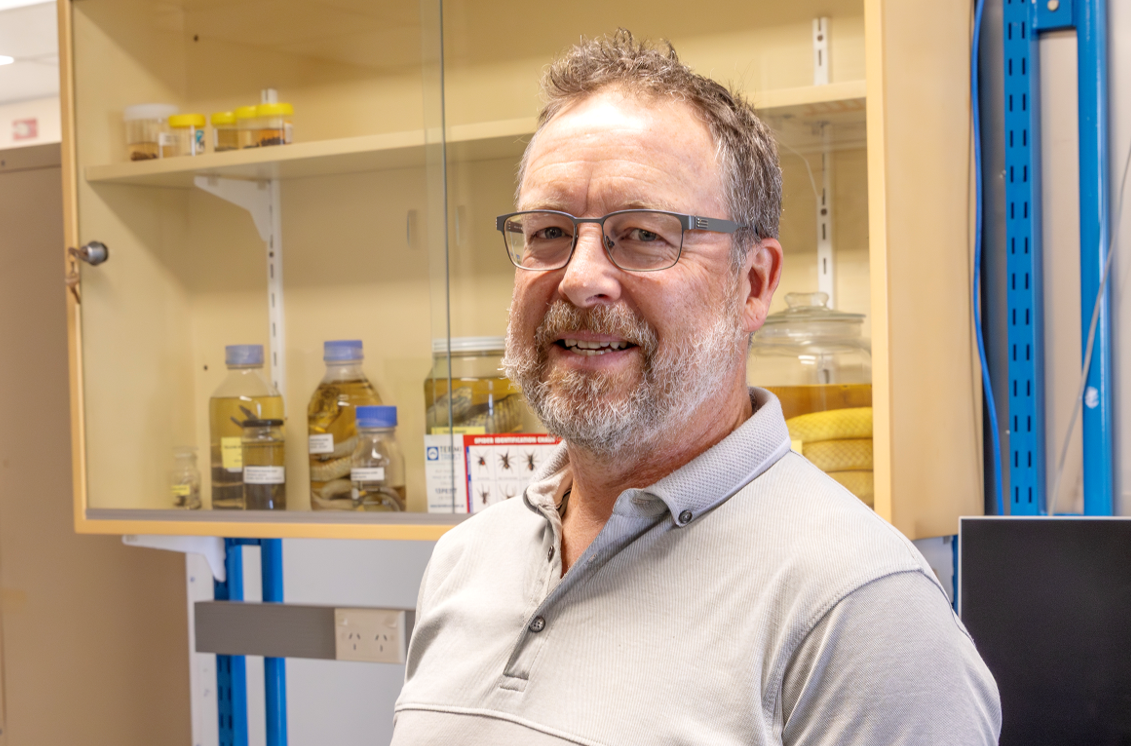
Geoff Isbister
" Snakebite: venomics, public health and treatment controversies "
Snakebite is a major health issue in tropical and resource poor nations. Much has changed in the last 50 years, with proteomics, improved taxonomy and novel treatment approaches. However, much is still the same with continued faith in antivenom, rather than good science, clinical evidence and improved approaches to antivenom use. We can only improve outcomes in snakebite patients by understanding the pathophysiology of snake envenoming, the biology of venomous snakes and venom pharmacology, to allow us to apply evidence-based approaches to treatment and improve prevention with public health interventions.
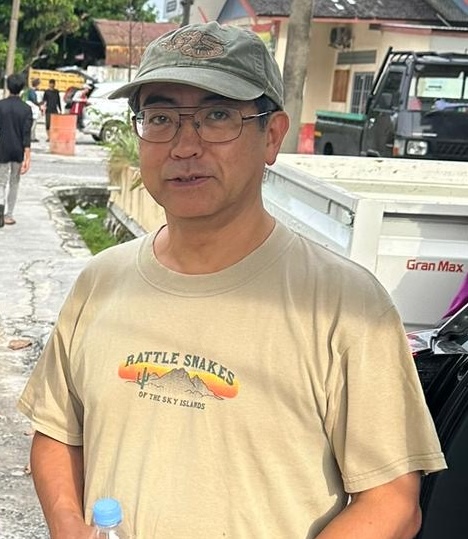
Akira Mori
" Nuchal glands : Enigmatic defensive system evolved in Asian snakes"
Nuchal glands are unique defensive organs known in only about 20 species of Asian natricine snakes. These snakes sequester toxins from prey such as toads and fireflies and deploy them in the glands. I will overview the evolution and diversity of the nuchal gland system and provide future perspectives to understand these enigmatic organs.
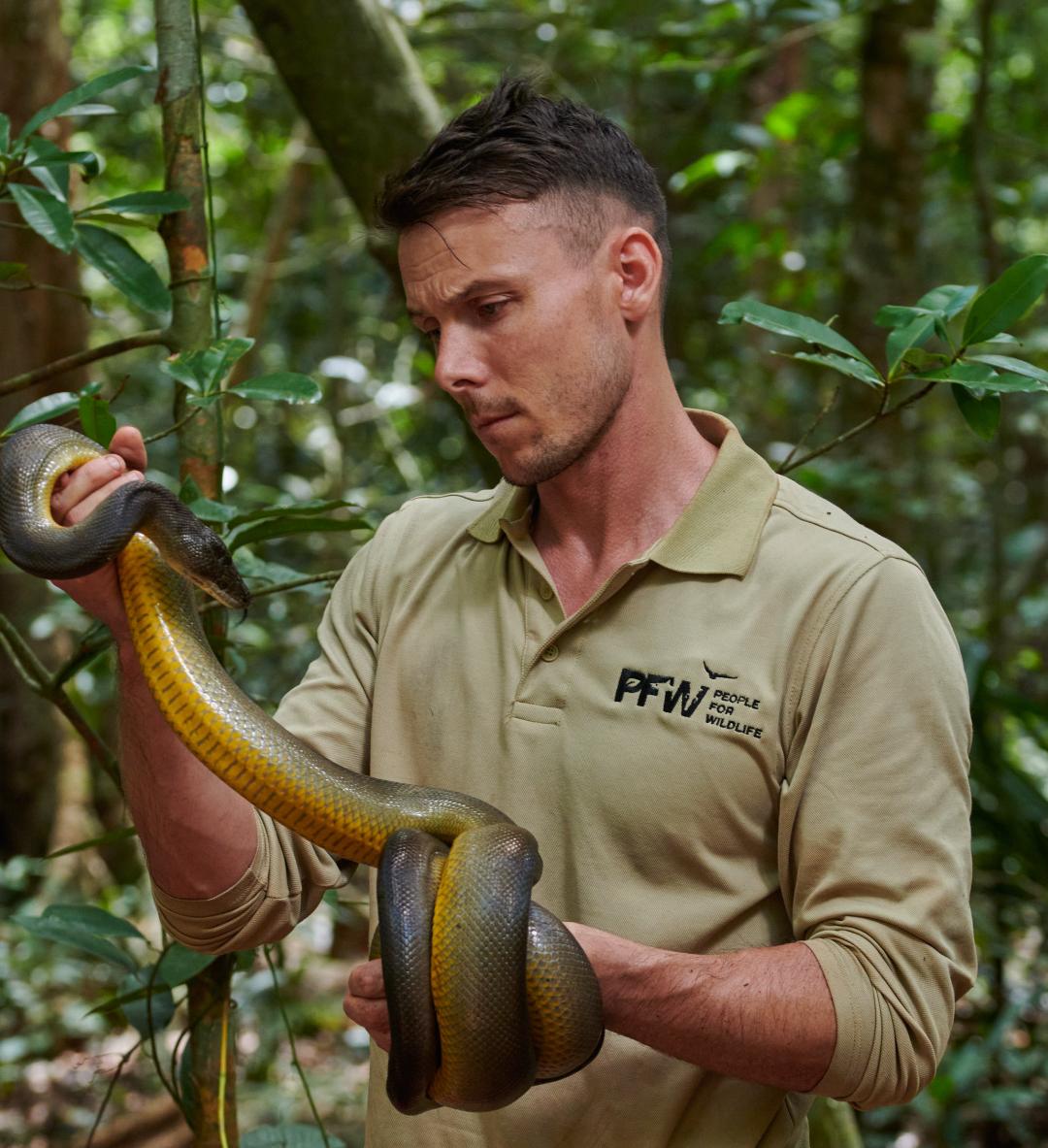
Daniel Natusch
" Snakes in Trade: Science, Sustainability, and Opportunities for Research"
Snakes are among the most heavily traded reptiles in the world, bred or harvested for their skins, meat, venom, and as live animals for the pet trade. Yet the science underpinning assessments of trade sustainability remains patchy and inconsistent across regions, taxa, and trade systems. This talk reviews the foundations of snake trade research — from field-based population assessments and harvest monitoring to supply chain traceability — and examines the persistent challenges of ensuring that exploitation remains within sustainable limits, drawing on case examples from pythons, water snakes, and other commercially significant groups. It concludes by highlighting the substantial and largely untapped opportunities that trade systems offer researchers: as windows into population dynamics, geographic distributions, and species diversity that would be difficult or impossible to access through conventional fieldwork alone.
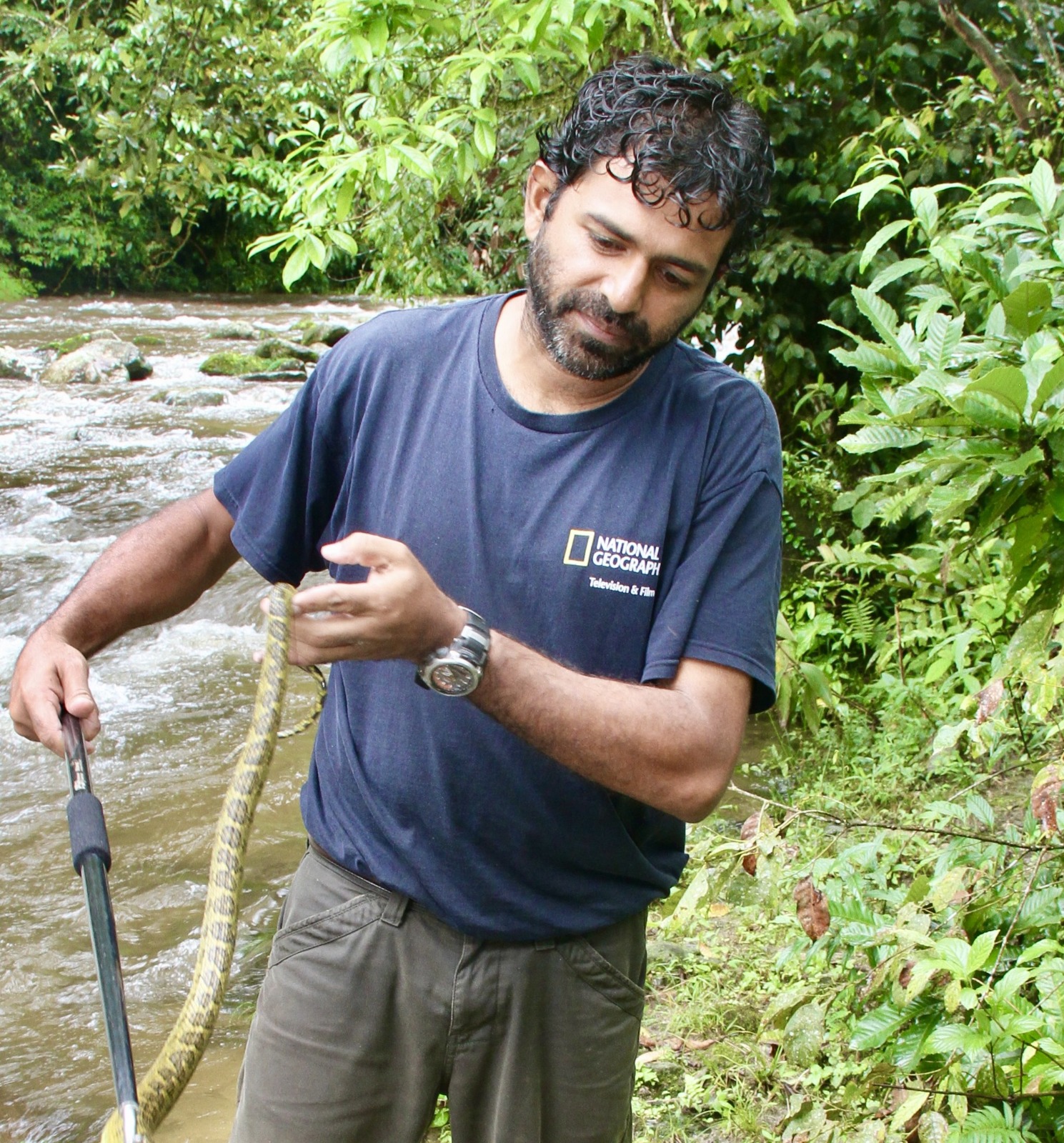
Gerry Martin
" Inside their skin- An empathetic approach to working with snakes"
Snakes have begun to play a major role in various media from blue chip documentaries to Tik Tok reels. They are both depicted in as well as physically treated with as wide a range of approaches, perspectives, and practices. Unfortunately, many of these current practices or both dangerous, damaging to the snake, and do not help in the larger public’s appreciation of these animals.This session proposes a more empathetic approach to working with snakes and demonstrates its value in safely and effectively handling and keeping snakes. It will be a combination of video presentation and discussion.
Rick Shine
" Back to the future: new ways of learning about the ecology of snakes"
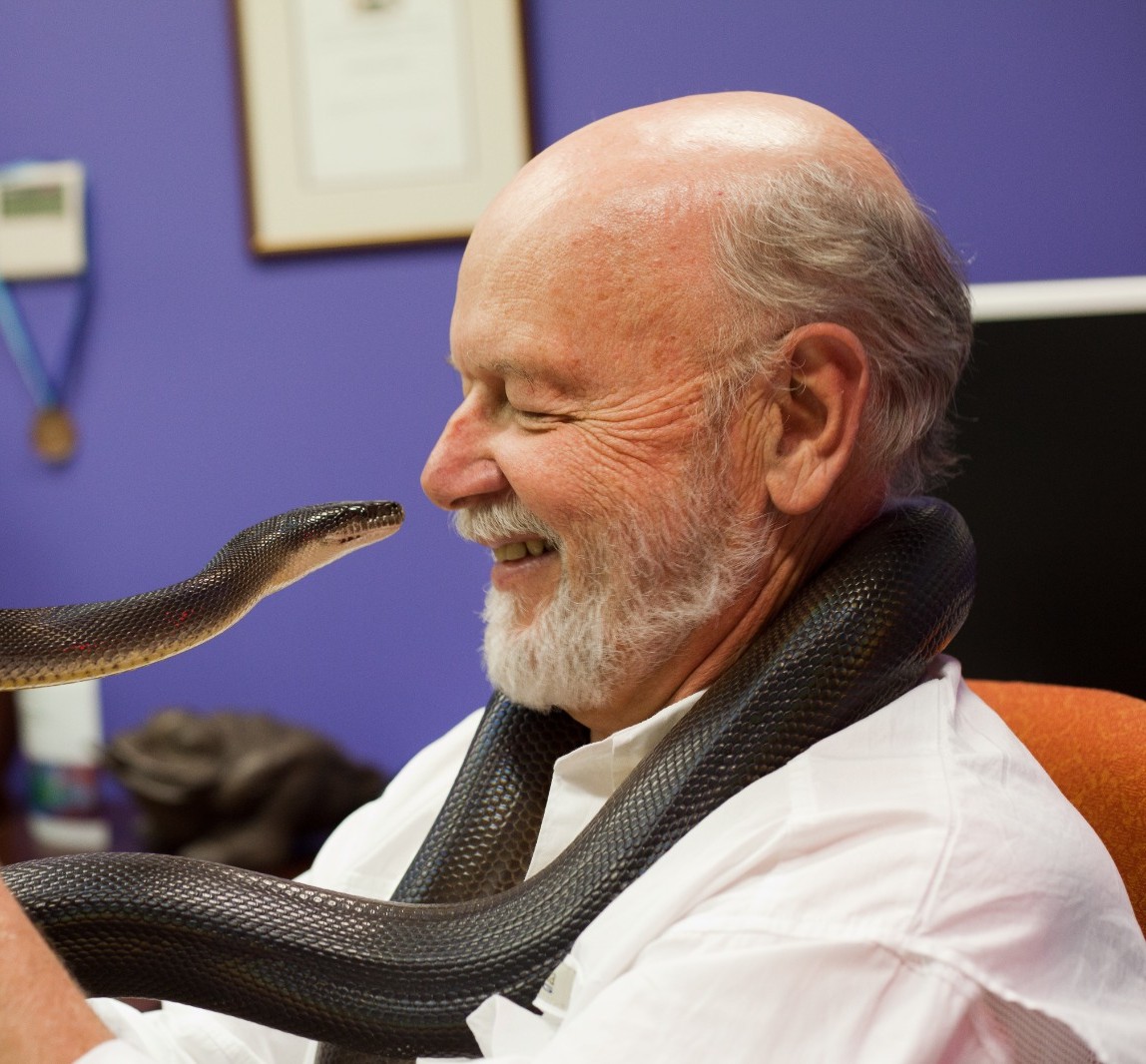
Rick Shine is a professor at Macquarie University in Sydney, Australia, with a lifelong interest in the ecology, evolution and conservation of snakes. Shine will discuss changing patterns in the ways in which people have learned about snake ecology, beginning with the gradual accumulation of small snippets of information by non-scientists (often, soldiers and missionaries in tropical countries) through to the emergence of fulltime professional researchers dedicated to snake biology (“The Age of Fitch”) – and then, in more recent times, the meteoric rise in information provided by an unpaid army of citizen scientists through websites such as iNaturalist. In a sense, snake ecology research has come full-circle, with the role of professionals now merging into a wider constellation of people with an interest in nature conservation.
Stanislav N. Gorb
" How snakes move: the physics of snake locomotion on various surfaces"
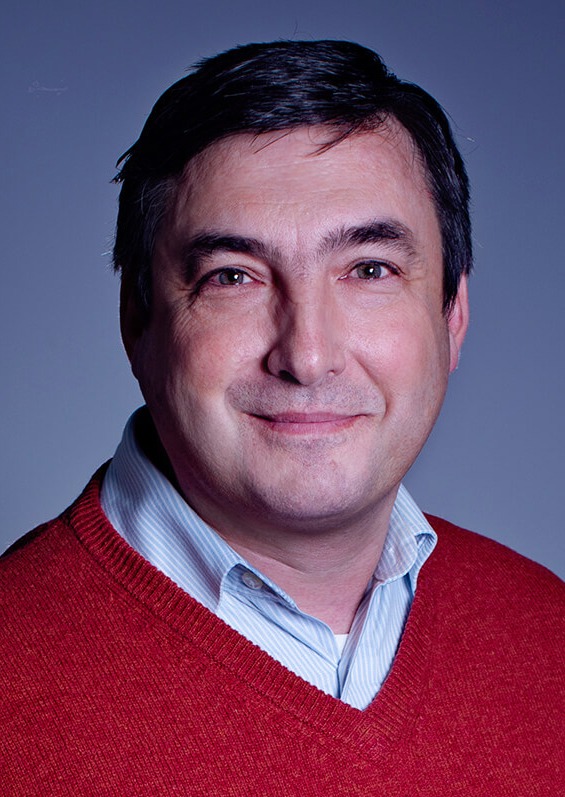
Stanislav N. Gorb is a Director at the Zoological Institute, Kiel University, Germany, with a career dedicated to understanding the biomechanics of animal adhesion and locomotion. His research investigates the extraordinary attachment capabilities of snakes, exploring how they move across diverse surfaces—from glass to rough bark—using principles of hierarchical microstructures and adhesion. Dr. Gorb’s work bridges physics and biology, revealing the physical mechanisms that allow snakes to exploit various substrates and showcasing nature’s innovative solutions for locomotion. His insights are crucial for advancing biomimicry in robotics and materials science.