Message from Congress Chair
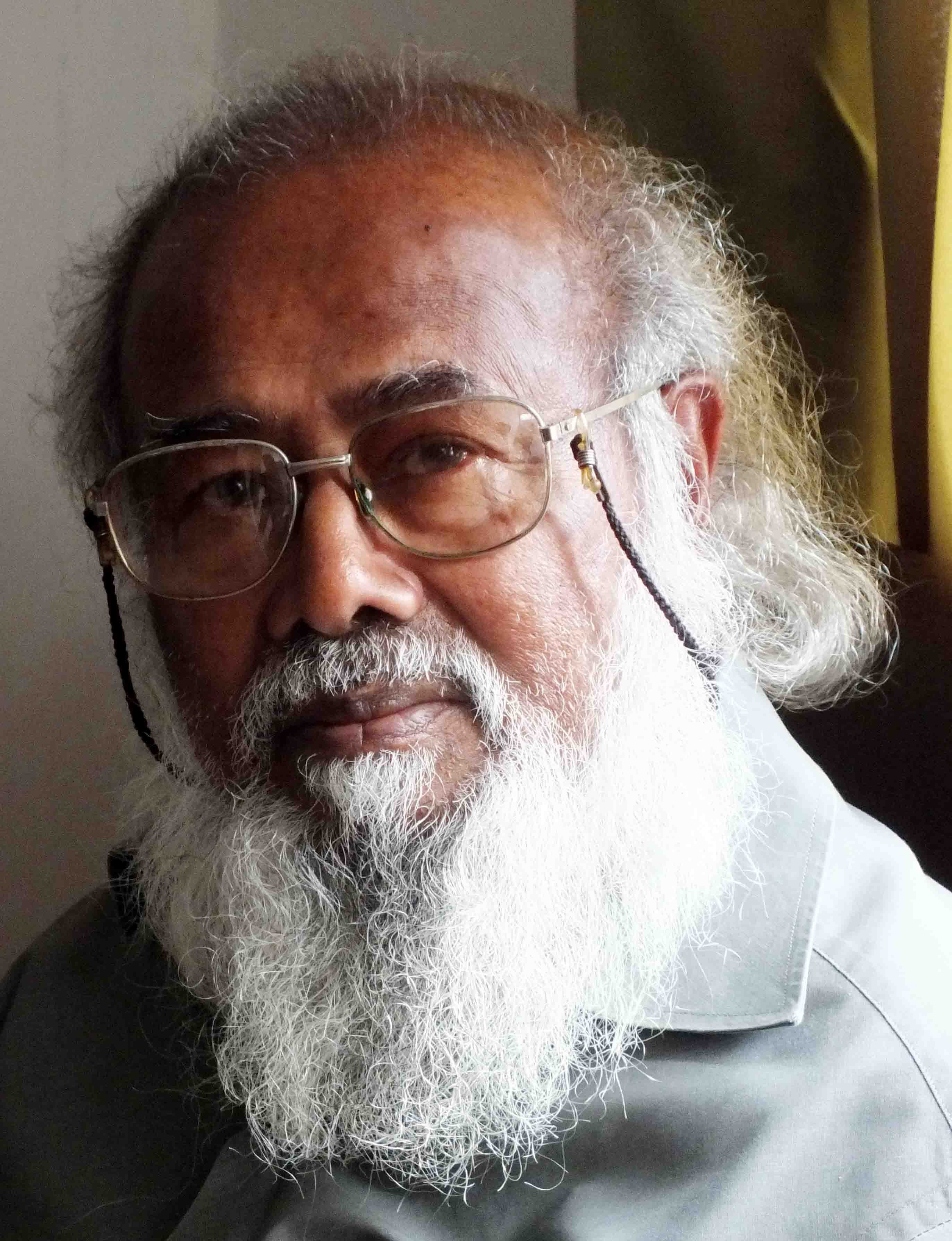
Dr. Anslem de Silva
Herpetologist
Regional Chairman for South Asia
IUCN/SSC Snake Specialist Group
Distinguished colleagues, friends, and fellow snake aficionados,
Distinguished colleagues, friends, and fellow snake aficionados, I stand before you humbled and invigorated. At 86, and after more than seven decades in the field, I still feel the same spark that lit when, as a schoolboy, I snatched a rat snake from the rough hands of my classmates to keep it safe. There were no mentors in Sri Lanka to nurture a boy’s curiosity about reptiles. P.E.P. Deraniyagala showed little interest in helping. It was an American, E.H. Taylor, who extended me a hand, mailing papers on Sri Lankan snakes and his monumental work on caecilians. His generosity planted a seed: if ever I had the means, I would ensure others didn’t have to learn alone.
That promise has guided my career. I’ve published more than 450 publications, of which 70+ books and chapters in books, founded the Amphibia and Reptile Research Organisation of Sri Lanka – our country’s first NGO dedicated to reptile conservation – and chaired the IUCN’s Crocodile Specialist Group for South Asia. Regional Chairman for South Asia, IUCN/SSC Snake Specialist Group, I even drew on my background as a magician to capture the public’s imagination with colourful posters and guides, because conservation begins with awareness.
The World Congress on Snakes emerged from this same impulse. After receiving a stream of emails from Dr. Julie Ray about her online snake meetings, I asked her, half in jest: “Why not a world congress on snakes?” She seized on the idea. I tapped my experience organising the fourth World Congress of Herpetology and the World Crocodile Conference and reached out to trusted colleagues. Dr. Dan Natusch provided strategic heft; Dr. Nimal D. Rathnayake and Mr. Suranjan Karunarathna offered logistical backbone; later, Dr. Kanishka Ukuwela completed the team. Additionally, Dr. Thasun Amarasinghe, Dr. Ruchira Somaweera along with Prof. Walter Erdelen and Ms.Andrea Echecerry-Alcendra supported with some valuable suggestions. Together, we chose Sri Lanka for the inaugural event.
That choice is rich with symbolism. In Sri Lanka, snakes slither through legend, medicine, and religion. Our forests and wetlands harbour more than a hundred species, many found nowhere else. Local culture venerates the naga as protector and harbinger. By convening this congress in Kandy from 1–4 October 2026, we affirm that snake conservation is not just about science and policy; it honours an ancient relationship that shapes our landscapes and our psyche.
But make no mistake: this is not a nostalgic gathering. Asia holds the lion’s share of the world’s snake diversity yet lacks a unified platform for collaboration. We intend to change that. Over the four days, we will tackle systematics, ecology, evolution, snakebite management, socio economics, and policy. We will discuss venom evolution, genetics, husbandry, digital tools, and the ethics of human–snake interactions. We will confront hard truths about habitat loss and illegal trade. Our mission is to turn conversations into frameworks that improve biodiversity and human wellbeing. And we won’t stop here; this congress will recur every four years, rotating through snake-rich regions to maintain momentum and measure progress.
I know what it feels like to work without guidance, and I know the joy of watching younger scientists surpass their mentors. It gives me immense satisfaction to see many of you – some once inspired by a poster I designed or a letter I wrote – now leading research teams and shaping policy. We are here not to celebrate an individual but to galvanise a community. Together, we can build networks that outlast us, spur innovations that save lives, and ensure that future generations inherit not just stories of serpents but living, thriving snakes in healthy ecosystems.
Thank you for honouring this dream. Let’s join forces and make this first-ever global gathering dedicated to snake research, conservation, and education a turning point for our field.
Sponsors & Endorsements
Supported by leading conservation organizations